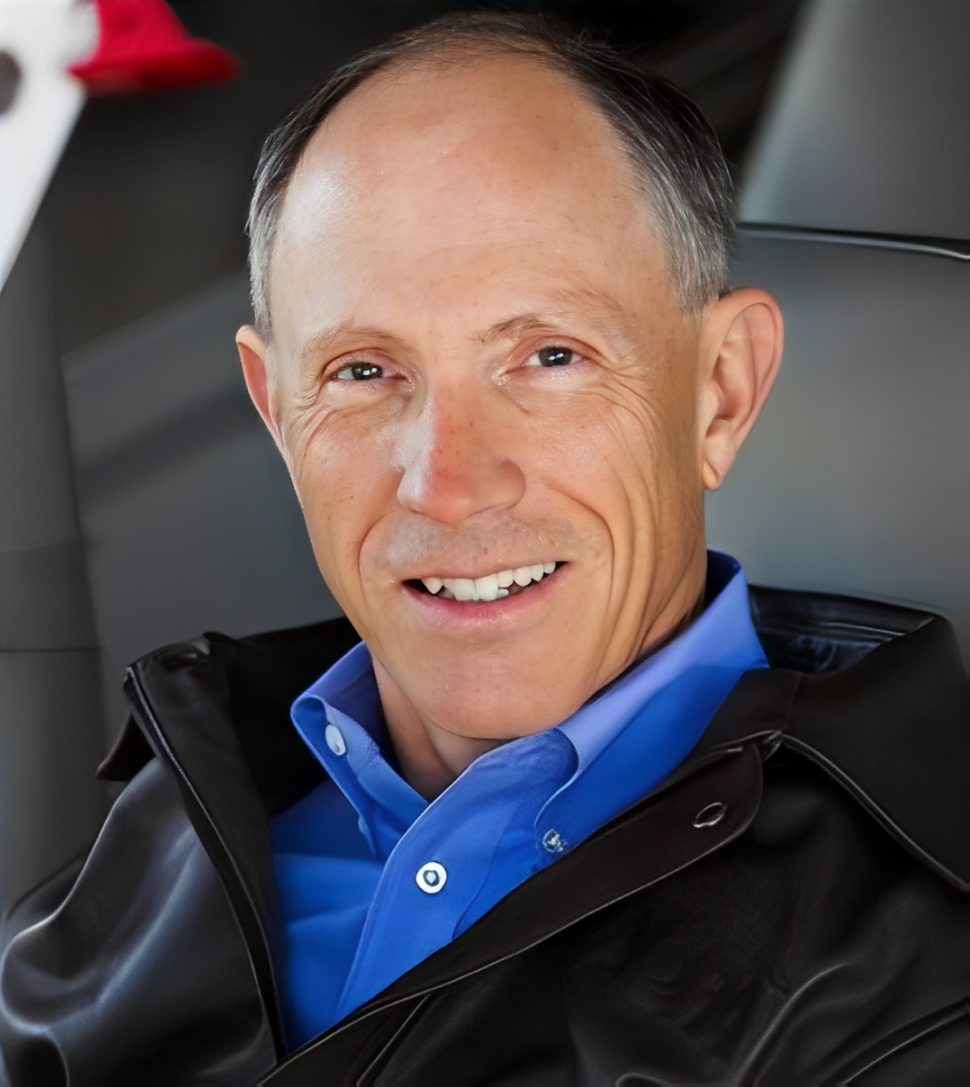
About The Author
As a new flight instructor, he worked at a Part 141 FAA Approved Flight School with less than 250 hours flight time when he started teaching – good on fundamentals but very light on experience. That improved rapidly by teaching 60–70 hours per month. The paycheck was lean as were the prospects. He also pumped gas and drove an old Ford tractor to keep the airfield mowed. Since nobody was hiring low-time pilots, going to graduate school full time while adding advanced ratings was challenging, but essential.
Hired by Cessna Aircraft Company in the winter of 1977, provided an opportunity to move from a small flight school to an aircraft manufacturing giant. He managed the Aviation Education Department and went from flying old aircraft (at the time – 10 years old was old!) to the newest machines equipped with the latest avionics. The type of flying changed from instructional to long-distance cross-country trips in turbocharged and pressurized aircraft. He was called upon to propose fleet leases to colleges and universities and to demo the aircraft to chief pilots and low-time students.
Bruce moved to FlightSafety International in the early 80s to become the company’s first product marketing manager for Cessna twins and turboprops. FSI had the first full motion and visual simulators for those aircraft. He helped insurance underwriters understand the benefit of professional training after observing the extremely poor flying skills of many of the purchasers. During the 11 years he worked at FSI, he went back to traveling in older and more basic aircraft while flying long distances. It was here that he made many presentations to pilots all over the country under the FAA’s Safety Program (now FAASTeam).
Phil Boyer had just become President of AOPA and was a client at FSI. He got to know Bruce and when an opening occurred at the AOPA Air Safety Foundation, he was induced to work as the Executive Director and later as President of the Foundation and Air Safety Institute. During that time he got to fly the flight levels in turbine equipment both with AOPA and with friends. After 22 years it was time to move on as change is good both for people and organizations.
He was doing some part-time writing and speaking for AOPA when an opening on the National Transportation Safety Board (NTSB) occurred. Somehow, being a non-political candidate, he managed to get through a vigorous vetting process and became the Vice Chairman where he served for five years. He served on the Go-Team for major crashes in all modes and assisted in the management of the Board. Upon retirement, he decided to finish this book, which has been in research and development for over 50 years and active writing for about ten!
He remains an active pilot and CFI with over 3,000 hours dual given, is the owner of a Beech Bonanza and has accumulated well over 7,000 flight hours. He is a recipient of the FAA’s Wright Brothers Master Pilot Award and CFI Gold Seal (which means he’s old, somewhat lucky, and maybe slightly good.)